





How a Heart CT Scan Helps Detect Heart Disease Early
Heart disease is the leading cause of death in the United States; however, with the right information and proactive care, 80-90% of cases are preventable. The condition typically develops over time, as plaque builds up in the arteries of the heart. Unfortunately, many do not realize there is an issue until experiencing a medical emergency, such as a heart attack, when enough plaque accumulates to restrict blood flow to the heart. To prevent heart disease from escalating, especially for those with risk factors, your cardiologist may recommend a heart CT scan to evaluate the coronary arteries and detect early signs of plaque buildup.
What is a Heart CT Scan?
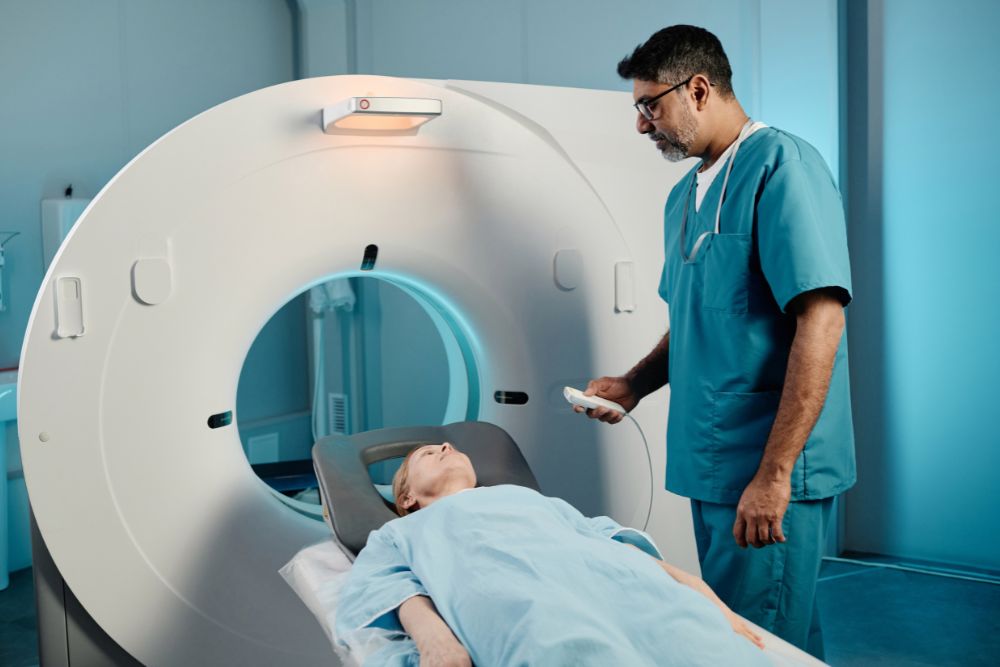
A heart CT scan, also referred to as a cardiac CT or coronary calcium scan, is a non-invasive imaging test that uses advanced X-ray technology to create detailed images of the heart and its blood vessels. It allows cardiologists to examine the coronary arteries (the vessels that supply blood to the heart) and identify plaque deposits within the artery walls, which are composed of cholesterol, fat, calcium, and other substances.
Depending on your situation, your provider may recommend Coronary Calcium Scoring CT, which measures the amount of calcium deposits present in the coronary artery walls, produces a "calcium score" that helps assess your long-term risk for heart disease, and guides preventive care decisions. This type of CT is typically recommended when patients are not symptomatic, but may be at increased risk. If your calcium score is elevated, your cardiologist will talk with you about lifestyle changes, medications, or other steps to help reduce the likelihood of a cardiac event.
Heart CT scans are quick, typically completed within an hour. If a contrast dye is used, it will be administered through an IV. While most patients tolerate the dye well, some may experience mild reactions such as itching, nausea, sneezing, or a rash, which typically resolve on their own. Antihistamines or other medications can help if needed. Because the scan uses X-ray technology, radiation exposure is a risk, but is kept to a minimum for patient safety. However, for this reason, the procedure is still not recommended during pregnancy.
Who May Benefit from a Heart CT Scan?
A heart CT scan is not necessarily recommended for everyone, but it can be a valuable tool for certain patients. Your cardiologist may suggest one if you:
- Have known risk factors such as high blood pressure, high cholesterol, or a history of smoking
- Have a family history of heart disease
- Are experiencing symptoms such as chest pain, shortness of breath, or discomfort in the neck, jaw, back, or arms
- Have had an inconclusive stress test and need further evaluation before considering more invasive procedures
Taking a Proactive Approach to Heart Health
Because heart disease often develops without symptoms, until an emergency occurs, a heart CT scan can give both you and your cardiologist meaningful information about your heart health before a problem progresses. At Carient Heart & Vascular, our cardiologists work with each patient to determine whether a heart CT scan is the right next step based on their individual health history and risk factors. If you have concerns about your heart health or would like to discuss cardiac screening, we encourage you to contact us or schedule an appointment.