





Why Swelling in the Legs Can Sometimes Signal a Heart or Vascular Problem
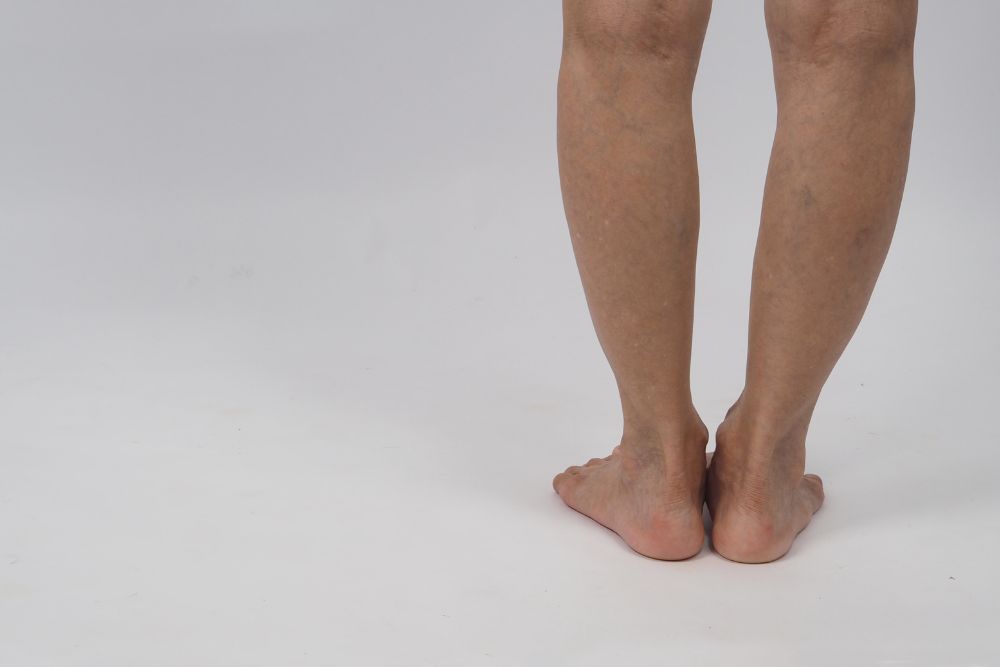
Leg swelling can often be dismissed as a simple side effect of a long day on your feet or a sign of warmer weather. However, it can sometimes indicate more serious heart or vascular issues. Understanding the common causes of leg swelling, recognizing the critical symptoms to watch, and knowing when to seek medical attention can make all the difference in addressing potential health concerns.
What Causes Leg Swelling?
Leg swelling can result from a wide array of factors, with some of the most significant being related to our cardiovascular and vascular systems. Conditions such as heart failure, vein disease, and circulation problems can contribute to fluid buildup in the legs, ankles, or feet. Additionally, issues related to fluid retention, often brought on by factors like diet, medications, or hormonal changes, can also play a role.
When to Seek Care
Leg swelling can have various causes, so it's important to pay attention to signs that may require further investigation. Occasional mild swelling, especially after sitting or standing for long periods, is usually not a cause for concern. However, it's crucial to distinguish this from persistent, worsening, or one-sided swelling, which could indicate a more serious issue.
If you notice swelling accompanied by other symptoms, such as pain, a feeling of heaviness, changes in skin, shortness of breath, or unusual fatigue, it's best to seek medical advice. A thorough assessment can help identify the underlying causes, allowing for timely intervention. This is vital, as untreated conditions can lead to more serious complications over time.
Diagnostics and Treatments
Healthcare providers utilize a range of diagnostic methods to identify the cause of swelling, such as:
- Physical examinations, to assess the extent and nature of the swelling.
- Blood tests, to check for underlying medical conditions.
- Vascular ultrasounds, to evaluate blood flow and identify vein issues.
- Imaging techniques, such as MRI or CT scans, tailored to your symptoms and medical history.
Based on the diagnosis, treatment options may include:
- Lifestyle changes, such as diet and exercise modifications.
- Medications to address underlying conditions or manage symptoms.
- Physical therapy to improve circulation and strength.
- Surgical interventions in more severe cases of vein problems.
Prioritizing Heart Health
If you're experiencing ongoing leg swelling, don’t brush it aside, especially if symptoms are worsening over time. Seeking an evaluation is a proactive step toward understanding your heart health and addressing any potential issues.
At Carient Heart & Vascular, we recognize the importance of timely intervention and offer comprehensive cardiovascular care to patients throughout Northern Virginia. Our locations in Annandale, Haymarket, Manassas, Reston, Stafford, Stone Springs, Vienna, Warrenton, and Woodbridge, make us easily accessible to patients across Loudoun, Fairfax, and Prince William Counties and beyond. Contact us today to schedule an appointment with one of our renowned physicians.